
Do you find yourself cringing every time you glance up at your greasy range hood filters? You’re not alone.
Over time, these filters can become a magnet for grease, grime, and stubborn stains, making your kitchen feel less than fresh. But here’s the good news: cleaning them doesn’t have to be a dreaded chore. Imagine the satisfaction of a sparkling clean range hood that not only looks great but also functions efficiently.
With just a few simple steps, you can transform those greasy filters back to their pristine state. Intrigued? Stick around to discover how you can effortlessly tackle this task and give your kitchen the refresh it deserves.
Importance Of Clean Range Hood Filters
Regular cleaning of range hood filters is crucial for a safe kitchen. Grease buildup can block airflow and increase fire risk. Keep filters clean to ensure efficient ventilation and a healthier cooking environment.
Cleaning greasy range hood filters might seem like a tedious task, but it’s crucial for maintaining a healthy kitchen environment. Clean range hood filters ensure that airborne grease, odors, and smoke are effectively captured, keeping your kitchen air fresh. Neglecting this can lead to a buildup of grime, reducing the efficiency of your hood and potentially creating a fire hazard.
Why Clean Filters Matter For Efficiency
Dirty filters can significantly decrease the efficiency of your range hood. When filters are clogged with grease and debris, they struggle to trap contaminants, allowing them to circulate around your kitchen. Imagine cooking a hearty meal and the smoke alarm blaring because your range hood couldn’t keep up. Regular cleaning keeps your filters in top shape, ensuring that your kitchen remains a pleasant space to cook and entertain.
Impact On Air Quality
Have you ever walked into a kitchen and been overwhelmed by the smell of last night’s dinner? This might be due to dirty range hood filters. Clean filters help maintain good air quality by removing odors and smoke. This not only keeps your kitchen smelling fresh but also prevents these particles from settling on surfaces, making cleaning easier. Think about the comfort of cooking without that lingering smell reminding you of past meals.
Safety Concerns
Greasy filters aren’t just an aesthetic concern they can be dangerous. A buildup of grease increases the risk of a fire. Filters can ignite if they come into contact with high heat or a flame. Picture this: you’re sautéing vegetables, and a sudden flare-up catches the grease-laden filter. Regular cleaning minimizes this risk, helping you cook with peace of mind.
Prolonging The Life Of Your Range Hood
Like any appliance, your range hood needs maintenance to work effectively. Clean filters contribute to the longevity of your range hood by preventing motor strain and corrosion caused by grease buildup. Ever had to replace an appliance sooner than expected? Keeping your filters clean can prevent unnecessary wear and tear, saving you money in the long run.
Saving Money On Repairs
Think about the cost of repairing or replacing a damaged range hood. Regularly cleaning your filters can prevent costly repairs. A clogged filter can lead to motor burnout or other issues, resulting in expensive fixes. Keeping your filters clean ensures your range hood runs smoothly, reducing the likelihood of needing repairs. Cleaning greasy range hood filters isn’t just about aesthetics—it’s about efficiency, air quality, safety, and savings. How often do you check yours?
Types Of Range Hood Filters
Range hood filters come in various types, including charcoal, mesh, and baffle. Each type requires specific cleaning methods to handle grease buildup effectively. Regular maintenance ensures optimal kitchen air quality and appliance performance.
Cleaning greasy range hood filters may not be the most glamorous chore, but it’s essential for maintaining a clean and efficient kitchen. Understanding the different types of range hood filters can help you clean them effectively. Each type requires a different cleaning approach, so knowing what you’re working with is key.
Metal Filters
Metal filters are the most common type found in range hoods. They are usually made of aluminum or stainless steel. These filters are durable and designed to trap grease and other particles. Cleaning metal filters is relatively straightforward. You can remove them and soak them in hot, soapy water. A little scrubbing with a brush can help dislodge stubborn grease. For those with a dishwasher, these filters can often be cleaned effectively on the top rack. Have you ever noticed your kitchen smelling fresher after a thorough filter clean? It’s a small, satisfying victory that can make cooking more enjoyable.
Charcoal Filters
Charcoal filters are typically used in ductless range hoods. They work by absorbing odors and smoke, making them ideal for kitchens without external ventilation. Unlike metal filters, these cannot be washed. Charcoal filters need to be replaced every few months, depending on usage. If you find your kitchen still smells smoky or greasy after cooking, it might be time for a new filter.
Replacing these filters is a simple task. Most models allow you to slide out the old filter and pop in a new one with ease. It’s a small investment for a fresher kitchen atmosphere. When was the last time you checked your charcoal filter? You might be surprised at the difference a new one can make! Understanding these filter types can make your cleaning routine more effective. What type of filter does your range hood use? Knowing this is the first step towards a cleaner, more efficient kitchen.
Signs Your Filters Need Cleaning
Range hood filters trap grease and grime from cooking. Over time, they get dirty and need cleaning. Recognizing the signs helps maintain kitchen air quality. Clean filters improve efficiency and prevent fire hazards. Here’s how to spot when cleaning is necessary.
Strange Odors
Smelly kitchen air suggests dirty filters. Grease buildup causes unpleasant odors. If your kitchen smells despite cleaning, check the filters.
Visible Grease Build-up
Examine the filters closely. Thick layers of grease mean they need cleaning. A simple glance often reveals grime. Clean filters are shiny and clear.
Reduced Suction Power
Weak suction indicates clogged filters. Airflow decreases when filters are dirty. If steam lingers longer, it’s time to clean them.
Excessive Smoke
More smoke than usual signals dirty filters. Smoke should clear quickly. Lingering smoke means filters aren’t working well.
Unusual Noises
Listen for strange sounds from the range hood. Clattering or rattling might mean filters are clogged. Clean filters run smoothly and quietly.
Preparation For Cleaning
Preparation is crucial when cleaning greasy range hood filters. This step ensures a smooth and effective cleaning process. Gathering the right supplies and taking safety precautions are vital. These actions prevent damage and ensure safety during cleaning.
Gathering Supplies
Start by collecting necessary cleaning items. You need a large basin or sink. Hot water is essential for loosening grease. Dish soap helps break down oily residue. A scrub brush or sponge is vital for scrubbing. Baking soda can boost cleaning power. White vinegar helps dissolve stubborn grease.
Safety Precautions
Safety is important during cleaning. Wear rubber gloves to protect your hands. Use goggles if dealing with harsh chemicals. Ensure good ventilation in the cleaning area. Avoid inhaling fumes from cleaners. Keep children and pets away from the cleaning area. Ensure your workspace is clear to prevent accidents.
Effective Cleaning Methods
Keeping your kitchen clean is important for health and comfort. Range hood filters often become greasy after cooking. Cleaning these filters might seem challenging. But with effective methods, the process becomes simple. These methods ensure your filters remain spotless and efficient.
Soaking In Hot Water
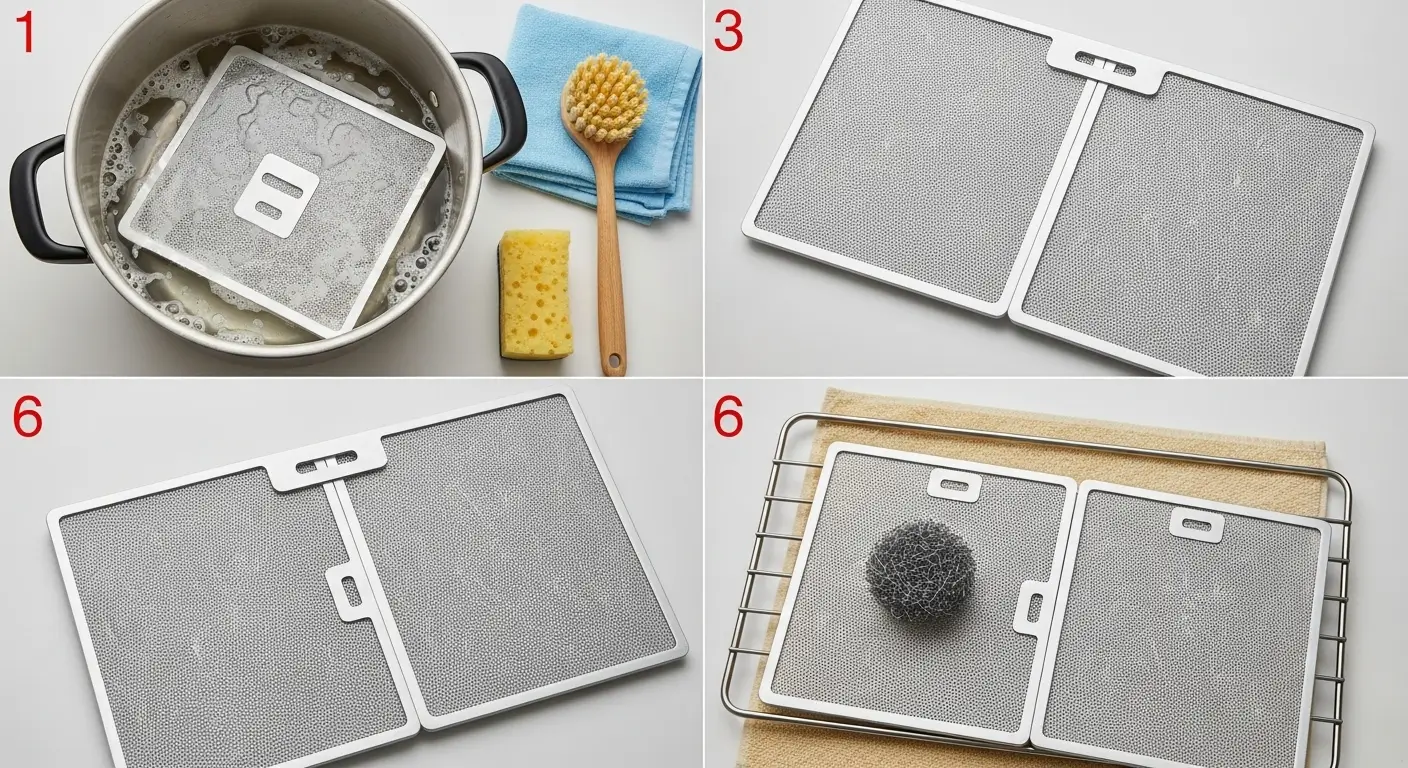
Fill a large basin with hot water. Add a small amount of dish soap. Submerge the greasy filters completely. Let them soak for about 30 minutes. The heat loosens stubborn grease. After soaking, scrub gently with a soft brush. Rinse thoroughly with clean water. This method is simple yet effective.
Using Degreaser Solutions
Choose a suitable degreaser from the store. Spray or apply the solution directly onto the filters. Allow it to sit for 10-15 minutes. The degreaser breaks down the grease quickly. Use a soft cloth to wipe away loosened grime. Rinse well with water after cleaning. Repeat if necessary for tough stains.
Dishwasher Cleaning
Check if your filters are dishwasher-safe. Place them in the dishwasher. Use a regular cycle with hot water settings. The dishwasher’s heat and detergent remove grease effectively. Ensure filters are completely dry before reinstalling. This method saves time and effort.
Natural Cleaning Alternatives
Cleaning greasy range hood filters might seem like a daunting task, but it doesn’t have to be. Have you ever thought about using natural cleaning alternatives? Not only are they eco-friendly, but they also keep harmful chemicals out of your kitchen. You’ll be surprised at how effective common household items can be.
Baking Soda Method
Baking soda is a powerhouse cleaner. It tackles grease like a pro. Start by removing the filters from the range hood.
Fill a sink or basin with hot water. Add a generous amount of baking soda. Stir until the baking soda dissolves completely.
Submerge the filters in the solution. Let them soak for at least 30 minutes. Check if the grease is loosening.
Use a brush to scrub away any remaining grime. Rinse the filters thoroughly with clean water. Allow them to dry before reinstalling.
Have you tried this method before? It’s simple, but the results are impressive.
Vinegar Solution
Vinegar is another fantastic natural cleaner. It’s acidic, which makes it great at breaking down grease.
Mix equal parts vinegar and hot water in a large container. Remove the filters from the hood.
Immerse the filters in the vinegar solution. Let them soak for about an hour. The vinegar will work its magic during this time.
After soaking, scrub the filters with a brush. Rinse them thoroughly to remove any vinegar residue. Dry them completely before putting them back.
Do you prefer vinegar for cleaning? It’s straightforward and effective.
Have you considered these methods before? Natural cleaning alternatives are not only gentle on your appliances but also on your wallet. Give them a try and see the difference for yourself!
Drying And Reinstalling Filters
Clean greasy range hood filters by drying them thoroughly before reinstalling. Ensure no water remains to avoid damage. Proper drying enhances performance and prolongs filter life.
Drying and reinstalling range hood filters might seem like mundane tasks, but they are crucial for maintaining the efficiency of your kitchen setup. After cleaning those greasy filters, proper drying and reinstallation ensure you get the most out of your hood. Imagine spending all that effort scrubbing away grease, only to see it accumulate quickly again due to a rushed drying process. Let’s dive into the practical steps you can take to keep your filters in top shape.
Drying Filters Thoroughly
Once you’ve cleaned your filters, drying them properly is key. Wet filters attract dust and dirt, leading to faster grease build-up. Use a clean towel to dab away excess water. Air drying is effective, but placing them in a warm, dry area speeds up the process. Ever tried using a hairdryer on a low setting? It’s surprisingly effective for quick drying. This trick can save you time, especially if you’re in a hurry to get your kitchen back in working order.
Inspecting Before Reinstallation
Before you reinstall the filters, inspect them for any remaining grease or soap residue. A quick wipe with a damp cloth can remove any overlooked spots. Consider this: a thorough inspection now saves you from having to redo the cleaning process sooner than necessary. Are there any bent areas or damages? Address these before they compromise your hood’s performance.
Reinstalling Filters Correctly
Reinstalling might seem straightforward, but ensure each filter fits snugly. Improper installation can lead to inefficient airflow and reduced performance. Align each filter carefully and listen for the click that confirms it’s securely in place. Remember the time your hood seemed noisier than usual? It might have been due to a poorly fitted filter. Proper installation ensures your hood runs smoothly and quietly.
Testing Your Range Hood
Once reinstalled, test your range hood. Turn it on and check for any unusual sounds or reduced suction. A simple test can reveal if something’s amiss, saving you from potential kitchen disasters later. Have you ever felt a sense of accomplishment hearing your hood hum smoothly after a thorough cleaning? That’s the reward of diligence and attention to detail. Drying and reinstalling filters properly not only extends the life of your range hood but also keeps your kitchen environment fresh and clean. Are you ready to see the difference these small steps make in your daily cooking routine?
Maintaining Clean Filters
Maintaining clean range hood filters is crucial for a fresh kitchen. Grease buildup can affect air quality and create unpleasant odors. Regular cleaning ensures your range hood works efficiently. It also prolongs the life of your appliance. Let’s explore how to keep your filters clean.
Regular Cleaning Schedule
Set a routine for cleaning your filters. Monthly cleaning is ideal for most kitchens. Busy kitchens may need weekly attention. Regular cleaning prevents grease from hardening. This makes the task easier and faster.
Check your range hood manual for specific advice. Follow the manufacturer’s guidelines for best results. Consistent cleaning keeps your kitchen smelling fresh. It also helps your range hood function smoothly.
Avoiding Excessive Grease Buildup
Cook wisely to reduce grease buildup. Use lids when frying or boiling. This minimizes oil splatter and steam. Choose lean meats to lessen grease production. Wipe spills immediately to prevent accumulation.
Ventilate your kitchen well during cooking. Open windows or use fans for better airflow. This helps reduce moisture and grease. Clean surfaces regularly to keep grease at bay. These habits will help maintain cleaner filters.
Troubleshooting Common Issues
Cleaning greasy range hood filters can sometimes lead to unexpected challenges. These problems may hinder your kitchen’s performance. Addressing them promptly ensures a clean and efficient cooking space.
Persistent Odors
Even after cleaning, some odors may linger. This usually means grease is trapped in the filter. Check if the filter has been soaked long enough. Consider using a stronger degreaser. Scrub thoroughly to remove stubborn residues.
Also, inspect the hood’s interior for hidden grease spots. These can contribute to persistent smells. Wipe down the interior surfaces with a damp cloth. Ensure all areas are free from grease buildup.
Reduced Airflow
Reduced airflow suggests blockage or dirt in the filter. Ensure the filter is completely dry before reinstalling. A wet filter can restrict air movement. Verify the fan’s operation after cleaning.
If airflow remains low, examine the ductwork for obstructions. Sometimes, debris accumulates within the ducts. Clear any visible blockages to restore proper airflow. Regular maintenance can prevent future issues.
Frequently Asked Questions
How Do You Clean A Greasy Range Hood Filter?
Remove the filter and soak it in hot, soapy water. Scrub with a brush and rinse thoroughly. Dry before reinstalling. Repeat monthly for best results.
How Do I Get The Grease Smell Out Of My Range Filter?
Clean the range filter with hot water and dish soap to remove grease. Soak it for 15 minutes. Scrub gently with a soft brush. Rinse thoroughly and dry completely before reinstalling. Use vinegar or baking soda for stubborn odors. Regular cleaning prevents future grease buildup.
How To Clean Grease Buildup On Range Hood?
Use a degreasing spray to clean grease on the range hood. Scrub with a non-abrasive sponge. Rinse with warm water and dry with a microfiber cloth for best results. Regular cleaning prevents buildup and maintains efficiency.
How Do You Get Oily Sticky Dust Off The Hood?
Use a mixture of warm water and mild dish soap. Apply with a soft cloth or sponge. Gently scrub the hood to remove oily dust. Rinse with clean water and dry with a microfiber cloth. Avoid harsh chemicals to prevent damage.
Conclusion
Cleaning greasy range hood filters is simple. Regular maintenance helps. Keep your kitchen fresh and safe. Follow easy steps to remove buildup. Use mild soap and hot water. Avoid harsh chemicals. Clean filters monthly for best results. A clean filter improves air quality.
Enjoy cooking without smoke and odors. Save time and effort. Protect your health and home. Now, you’re ready to tackle those greasy filters. Cleaning them makes a difference. Enjoy a cleaner kitchen today.
