
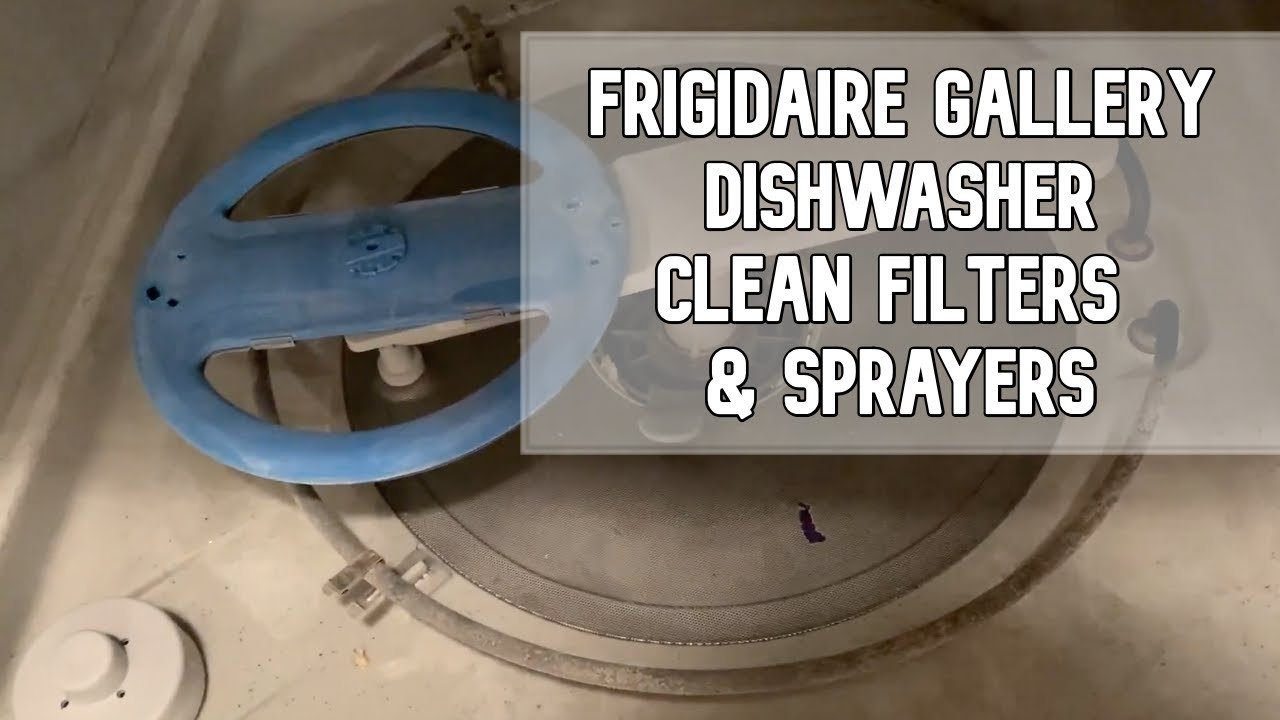
A Frigidaire Gallery dishwasher is engineered for quiet performance and sleek stainless styling, but even the best machines struggle when grime, grease, and mineral scale build up inside. If you’ve noticed cloudy glassware, lingering odors, or dishes that come out less than sparkling, the culprit is almost always a neglected interior. This guide walks you through every step of cleaning your Frigidaire Gallery dishwasher — from the filter to the spray arms to the exterior — so you can restore peak performance and extend the life of your appliance. No special tools required, just a little time and the right technique.
Before You Start: Safety and Preparation
Cleaning an electrical appliance always comes with a few non-negotiable precautions. Follow these to protect both you and your dishwasher.
- Unplug the dishwasher from the wall outlet or switch off the circuit breaker at the panel. This eliminates any risk of electric shock while you work inside the tub.
- Wear protective gloves — cleaning solutions and trapped food debris can irritate skin, and there may be sharp edges on old filter screens.
- Ventilate the kitchen by opening a window or turning on the range hood. Vinegar and commercial cleaners produce strong fumes, and good airflow helps you avoid inhaling them.
- Avoid harsh chemicals. Bleach, oven cleaner, and abrasive powders can damage the stainless steel interior and rubber seals. Stick to white vinegar, baking soda, or a dishwasher-specific cleaner.
- Ensure all racks and baskets are secure before you start scrubbing. Loose parts can shift and cause injury or damage.
Tools and Supplies You’ll Need
| Item | Purpose |
|---|---|
| Microfiber cloths (2–3) | Streak-free wiping of interior and exterior surfaces |
| Soft-bristle brush or toothbrush | Reaching crevices on the filter, spray arms, and door seals |
| White vinegar (1–2 cups) | Dissolves hard‑water deposits and neutralizes odors |
| Baking soda (1 cup) | Deodorizes and lifts stubborn residue |
| Mild dish soap | Exterior cleaning and removing greasy fingerprints |
| Toothpicks or a small wire | Clearing clogged spray‑arm holes |
| Plastic or nylon scrub pad | Non‑abrasive scrubbing of the filter |
| Protective gloves | Hand safety |
| Optional: Dishwasher cleaner tablet | Deep‑clean for tough limescale |
Having these items gathered beforehand makes the whole process faster and keeps you from hunting for tools mid‑task.
Step 1: Clean the Filter (Most Important Step)
The filter traps food particles so they don’t recirculate onto your dishes. If it’s clogged, water can’t flow freely, and your dishwasher will underperform. A common mistake is only rinsing it — you actually need to scrub it.
- Locate the filter assembly at the bottom center of the dishwasher tub. Remove the bottom rack for easier access.
- Twist and lift the cylindrical fine filter out of the coarse mesh screen. On most Frigidaire Gallery models, the filter twists counter‑clockwise to unlock.
- Rinse both pieces under warm running water to remove loose debris.
- Scrub with a soft brush and a drop of dish soap. Pay special attention to the fine mesh — food residue can get baked on. Rinse thoroughly.
- Check the coarse screen underneath for any large chunks of debris. Wipe it out with a damp cloth.
- Reassemble and lock the filter back into place. It should seat tightly with no gaps.
How often? Clean the filter once a month. Hard water or heavy usage may require every two weeks. A neglected filter is the number‑one cause of poor cleaning results.
Need more detail? Head over to our dedicated guide on cleaning the Frigidaire dishwasher filter for a step‑by‑step photo walkthrough.
Step 2: Unclog the Spray Arms
Spray arms have tiny holes that spray water jets to clean every dish. Those holes get blocked by mineral deposits or tiny food particles. When blocked, you’ll notice dry spots or cloudy streaks on glasses.
- Remove the spray arms. The lower arm usually lifts straight up; the upper arm may have a retaining nut or a clip. Consult your manual if it’s stuck.
- Rinse under warm water to dislodge loose debris.
- Use a toothpick or a thin wire to gently poke through each hole. Work from the back side to push blockages out.
- Soak in white vinegar for 15–20 minutes if you see hard‑water scale buildup. This dissolves calcium deposits without scrubbing.
- Check the bearing area where the arm spins. Wipe it clean and ensure it rotates freely.
- Reinstall securely. The spray arm should spin when you flick it with your finger — if not, something is off.
Pro tip: If you have persistent clogs, consider replacing the spray arm altogether. They wear out over time and the plastic can warp.
Step 3: Wipe Down the Interior Walls and Door Seals
Soap scum, grease, and food residue build up on the walls, especially along the bottom edges and around the detergent dispenser.
- Mix a solution of 1 part white vinegar to 3 parts warm water, or use a mild dish soap if grease is heavy.
- Dip a microfiber cloth into the solution and wring it out so it’s damp, not dripping.
- Wipe the interior walls top to bottom, paying extra attention to the corners where gunk collects.
- Clean the door gasket/seal — the rubber strip around the door opening. Grease and mold love hiding here. Gently pull the gasket loose and wipe underneath with a cloth or old toothbrush.
- Don’t forget the detergent dispenser lid. Remove any caked‑on detergent powder. A toothbrush works well around the spring and latch.
Step 4: Deep‑Clean with a Hot Vinegar Cycle (for Hard Water and Odors)
Mineral deposits from hard water create a white, chalky film on the interior and on glassware. A vinegar cycle is the simplest way to dissolve it.
- Empty the dishwasher completely (no dishes, no silverware basket).
- Pour 2 cups of white vinegar into a dishwasher‑safe bowl (like a glass measuring cup) and place it upright on the top rack. This ensures the vinegar disperses during the wash, not all at once.
- Run a normal hot‑water cycle with heat dry turned off. Do not use detergent.
- Once the cycle finishes, open the door and let the interior air‑dry for 15 minutes.
If the smell of vinegar lingers, follow up by sprinkling 1 cup of baking soda across the bottom of the tub and running a short rinse cycle. This neutralizes both vinegar odor and any remaining food smells.
Repeat this deep‑clean every 2–3 months, or monthly if your water is very hard. If you prefer a commercial option, look for a cleaner that targets limescale — the EPA’s Safer Choice program lists approved products without harsh phosphates.
Step 5: Clean the Exterior and Control Panel
A clean exterior keeps your Frigidaire Gallery looking new and prevents grime from working its way into the door edges.
- Control panel: Use a soft, barely damp microfiber cloth. Harsh cleaners or excessive moisture can seep behind the buttons and cause malfunctions. Wipe gently and dry immediately with a separate cloth.
- Stainless steel door and handle: Apply a stainless steel cleaner (or a dab of mineral oil on a microfiber cloth) and rub in the direction of the grain. This removes fingerprints and prevents water spots. Avoid bleach‑based sprays — they can pit the finish.
- Kickplate/toe kick: The panel at the bottom often collects dust and spilled food. Remove it if possible (usually two screws) and vacuum or wipe clean.
Maintenance Schedule for a Lasting Clean
Consistency is key. Stick to this rhythm and your dishwasher will run efficiently for years:
| Task | Frequency |
|---|---|
| Rinse filter under running water | Every 2–4 weeks |
| Deep‑scrub filter with brush | Monthly |
| Wipe door gasket and interior walls | Monthly |
| Run vinegar cycle | Every 2–3 months |
| Clear spray‑arm holes | Quarterly |
| Exterior thorough cleaning | As needed (every 1–2 months) |
If you notice a musty smell between cycles, immediately check the filter and drain area. Odor is the first sign of trapped food or stagnant water.
Troubleshooting Common Frigidaire Gallery Issues
Even with regular cleaning, you may encounter a few hiccups. Here’s how to fix the most common problems.
Dishwasher Won’t Drain
- Check the filter for massive clogging — if it’s packed, water can’t exit.
- Inspect the drain hose under the sink. A kink or food blockage can prevent drainage. Compare your setup to our plumbing under kitchen sink diagram with dishwasher to ensure correct routing.
- Listen for the drain pump: if it buzzes but nothing happens, the pump may be jammed. Turn off power and remove the pump cover (consult your manual) to clear any obstruction.
Detergent Dispenser Won’t Open
- Old detergent can cake up around the latch. Clean the dispenser with a toothbrush and warm water.
- If the door spring is broken, the dispenser lid will stay shut. Replacement springs are inexpensive and easy to install.
- Ensure you’re using fresh detergent — clumpy powder may not dissolve properly.
Dishes Still Dirty After a Cycle
- Confirm the spray arms spin freely and all holes are clear.
- Check water temperature: the dishwasher requires incoming water at least 120°F (49°C). Run the kitchen faucet hot for a minute before starting the cycle.
- Clean the filter again — it’s the most overlooked cause of poor cleaning.
For more on related kitchen maintenance, we also have guides on how to make degreaser for tough grease and cleaning your stove top to keep the whole kitchen spotless.
Frequently Asked Questions
Q: Does the Frigidaire Gallery dishwasher have a self‑cleaning cycle?
A: Some models include a “Self Clean” or “Clean Dishwasher” cycle. If yours has it, you can run that cycle with a dishwasher cleaner tablet instead of vinegar. Always check your owner’s manual for the exact procedure.
Q: Can I use bleach to clean my dishwasher?
A: Avoid bleach — it can damage the stainless steel interior and rubber seals. Stick to vinegar or a product designed for dishwashers.
Q: How often should I run the vinegar cycle?
A: Every 2–3 months is ideal for average water hardness. If you live in an area with hard water (visible white scale on glassware), increase to once a month.
Q: My dishwasher still smells after cleaning. What else can I do?
A: Check the drain hose loop under the sink — if there’s no high loop or air gap, dirty water from the sink can backflow into the dishwasher. Also inspect the drain pump housing for trapped debris. Our plumbing under the kitchen sink diagram can help you identify the correct drain configuration.
Q: Is it safe to clean the spray arms with vinegar overnight?
A: Yes, soaking removable spray arms in undiluted vinegar for 30 minutes to an hour is fine. Avoid leaving them overnight in metal sinks — the vinegar may react with certain metals.
Conclusion
A clean Frigidaire Gallery dishwasher doesn’t just look better — it washes better, lasts longer, and saves you from expensive repairs. The process takes less than an hour when you follow the steps in order: filter first, spray arms second, then a thorough wipe‑down and a deep‑clean vinegar cycle. Make it a habit once a month, and you’ll never have to worry about cloudy glasses or funky smells again.
Now that your dishwasher is running like new, take a moment to tackle other kitchen chores that keep your space in top shape — from replacing pipes under the sink to maintaining your cookware. Your kitchen will thank you.
